Advanced Sensor Technology

LiDAR & Thermal
Drone Survey

Next-generation aerial data capture using airborne LiDAR for dense vegetation terrain and thermal infrared for heat-based anomaly detection — where standard photogrammetry falls short, our advanced sensors deliver.
LiDAR drone sensor
Airborne LiDARDTM Under CanopyThermal Anomaly DetectionPower Line Inspection3D Point CloudBuilding ModellingHeritage Documentation Airborne LiDARDTM Under CanopyThermal Anomaly DetectionPower Line Inspection3D Point CloudBuilding ModellingHeritage Documentation
Our Sensors

Two Advanced Sensor Technologies

Each sensor serves different survey objectives — often deployed together for comprehensive data capture.

Airborne LiDAR

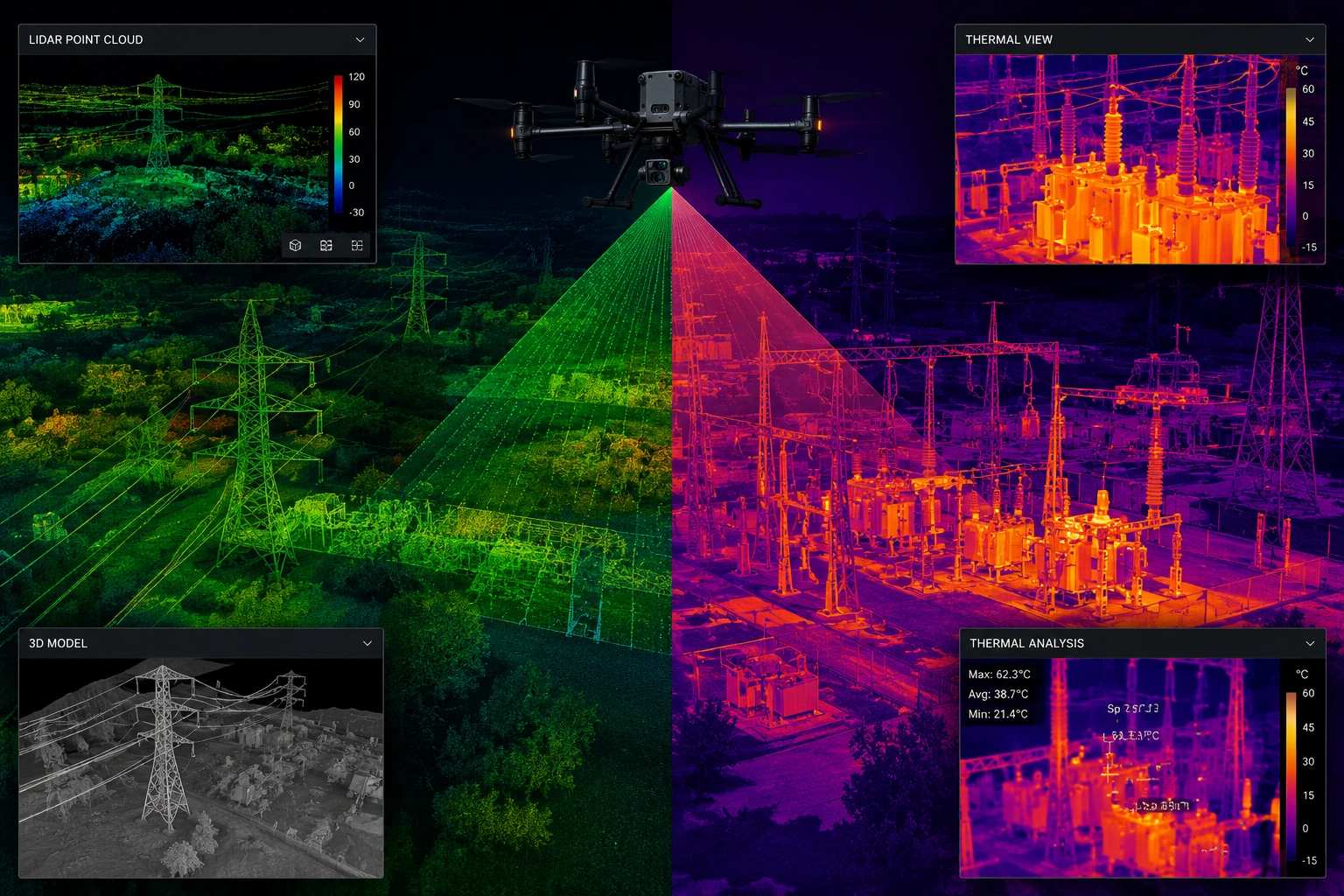
Light Detection and Ranging — fires 100,000s of laser pulses per second, recording multiple returns per pulse. Penetrates dense forest canopy to map the bare earth surface beneath. Delivers the most accurate DTM available from aerial platforms.

±2cm Accuracy · 200+ pts/m² · Canopy Penetration
Thermal Infrared (FLIR)

Uncooled and cooled IR cameras detect temperature differences as small as 0.05°C. Reveals heat signatures invisible to RGB cameras — subsurface moisture, electrical faults, structural failures, wildlife, and industrial process anomalies.

±0.5°C Sensitivity · 640×512 Resolution · Day/Night
Why These Sensors?

When Photogrammetry
Is Not Enough

Standard drone photogrammetry produces excellent results in open terrain and clear-sky conditions. But two scenarios demand advanced sensors: dense vegetation (where photogrammetry cannot see through canopy to the ground) and thermal anomaly detection (where visible light reveals nothing but IR reveals everything).

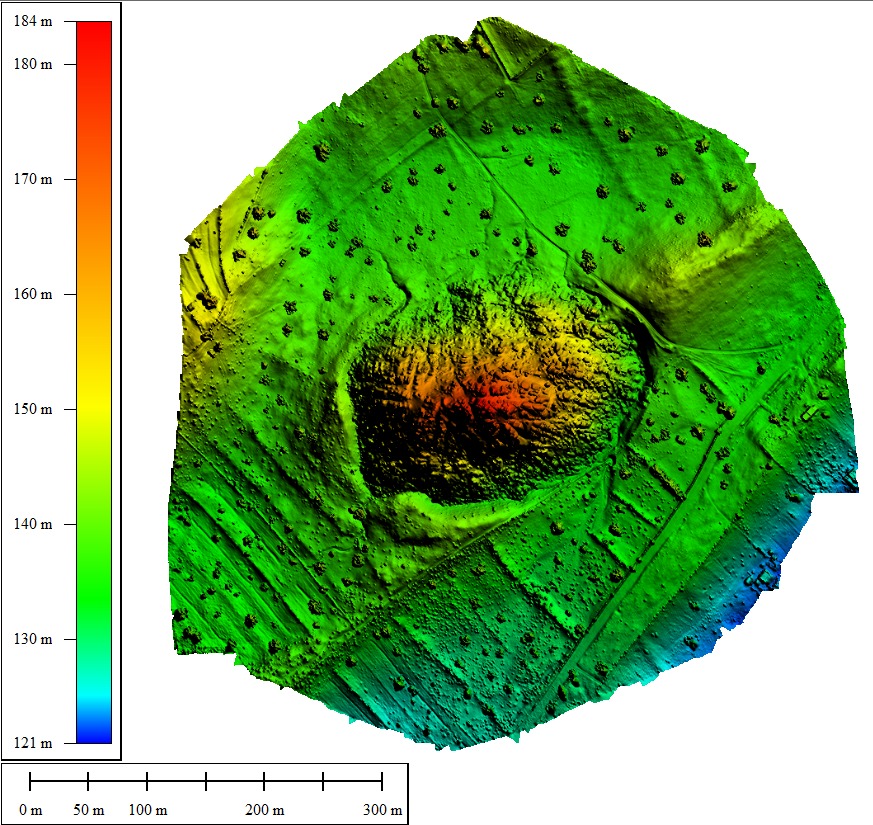
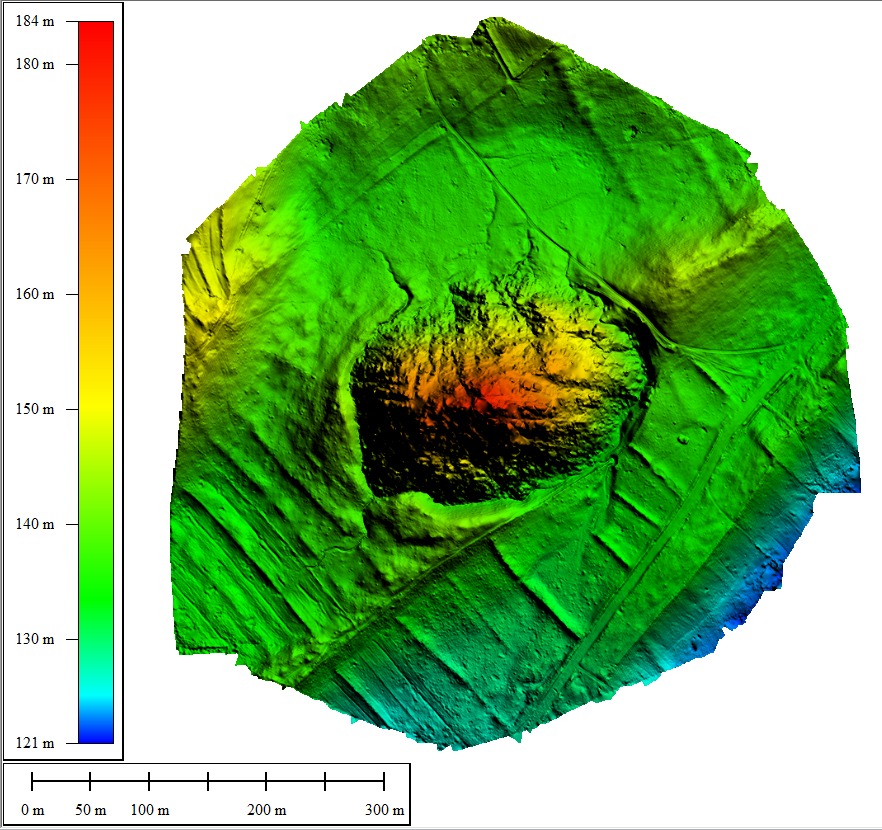
LiDAR pulses can penetrate gaps in dense forest canopy to map the ground surface below — something photogrammetry physically cannot do. This makes LiDAR essential for surveys in forested, hilly, and urban tree-covered terrain.

  • LiDAR DTM under dense forest — photogrammetry impossible
  • Power line corridor surveys with precise sag measurement
  • Thermal seepage, fault, and hotspot detection
  • Nocturnal wildlife surveys with thermal
  • Building energy audit and heat loss mapping
  • Heritage structure 3D documentation
Applications

Where We Apply LiDAR & Thermal

Forested Terrain DTM (LiDAR)

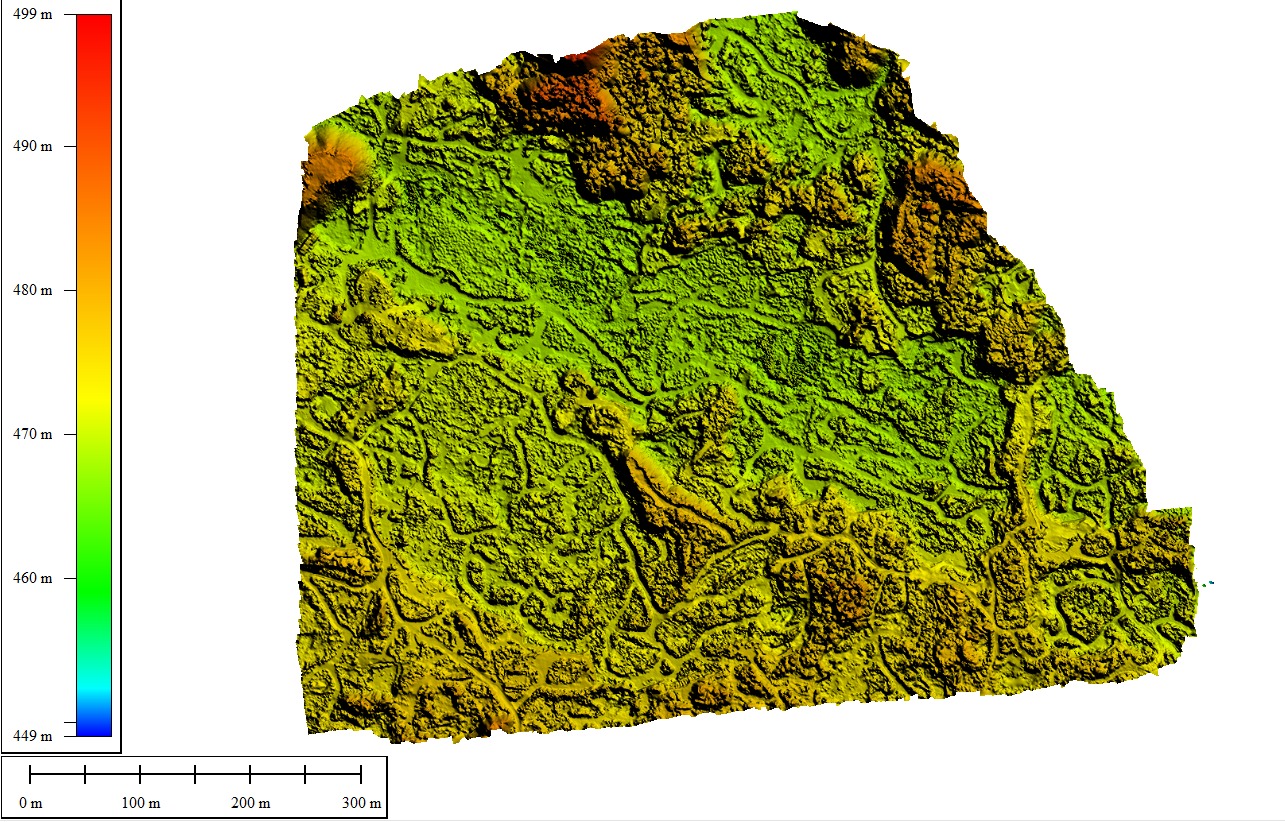
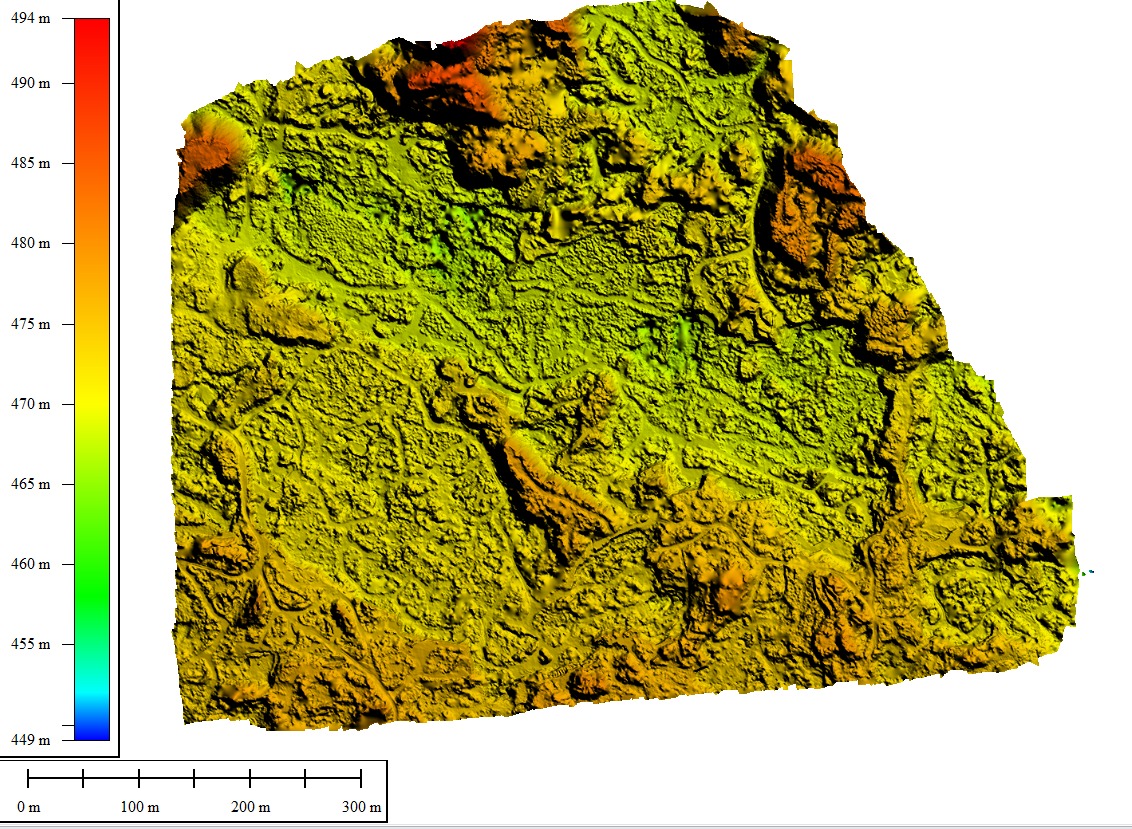
True bare-earth DTM under dense forest cover for railway, road, and power line projects in hilly terrain — the only method that works through canopy.

LiDAR DTMForest
Power Line Corridor (LiDAR)

Precise power line sag, clearance, and encroachment surveys — LiDAR captures individual conductors, pylons, and vegetation approaching danger zones.

Power LineClearance
Industrial Thermal Inspection

Thermal inspection of industrial plant, electrical switchgear, substations, furnaces, and process equipment — detecting hot spots, failing components, and energy loss.

ThermalIndustrial
Urban 3D City Modelling (LiDAR)

High-density LiDAR point clouds for precise urban 3D models — building heights, facades, rooftop equipment, and street-level features for smart city applications.

3D CitySmart City
Seepage & Moisture Detection (Thermal)

Thermal detection of subsurface moisture, seepage paths, and water ingress in dams, embankments, tunnels, and building envelopes.

ThermalMoisture
Heritage Documentation (LiDAR)

Millimetre-accurate 3D documentation of heritage structures, archaeological sites, and monuments for ASI conservation and digital preservation.

HeritageASI
How It Works

Our Survey Process

01
Sensor Selection & Configuration

We recommend the right sensor for your objective — LiDAR for ground mapping under canopy, thermal for anomaly detection, or both simultaneously for comprehensive data.

02
Flight Planning for Sensor Specs

LiDAR and thermal sensors have different altitude and overlap requirements compared to RGB photogrammetry. Flight plans are optimised for maximum point density and thermal resolution.

03
IMU & Base Station Setup

LiDAR requires precise IMU calibration and a ground base station for trajectory accuracy. This ensures the point cloud georeferencing meets survey-grade accuracy specifications.

04
Data Capture

UAV-mounted LiDAR or thermal sensor captures data along planned flight lines. LiDAR fires millions of pulses, recording multiple returns per pulse through canopy gaps.

05
Point Cloud & Thermal Processing

LiDAR point clouds are classified into ground, vegetation, buildings, and infrastructure. Thermal imagery is processed and calibrated for accurate temperature values.

06
Final Product Delivery

Classified point cloud, bare-earth DTM, DSM, intensity images (LiDAR) or calibrated thermal orthomosaics and anomaly reports delivered within 72–96 hours.

What You Get

Survey Deliverables

Dense Point Cloud

Classified LAS/LAZ point cloud

Bare-Earth DTM

Ground model under canopy

DSM / 3D Model

Surface model with structures

Thermal Ortho

Calibrated thermal orthomosaic

Anomaly Map

GPS-tagged thermal anomalies

Technical Report

Full processing & accuracy report

Technical Specs

Equipment & Performance

LiDAR System: Livox / Hesai / Riegl mini-VUX UAV
Point Density: 100–400+ points/m²
LiDAR Accuracy: ±2–3 cm absolute
Thermal Camera: FLIR Zenmuse H20T / Vue Pro R
Thermal Sensitivity: ±0.05–0.5°C NETD
LiDAR Formats: LAS, LAZ, E57, ASCII XYZ
Thermal Formats: TIFF (radiometric), R-JPEG, CSV
Frequently Asked

LiDAR & Thermal FAQs

When should I use LiDAR instead of photogrammetry?
LiDAR is essential when you need ground surface data beneath dense vegetation, require survey-grade accuracy (±2 cm), need to survey in low light conditions, or are mapping power lines and complex 3D infrastructure where photogrammetry struggles.
Can LiDAR and thermal be used simultaneously?
Yes. We operate multi-payload UAVs that carry LiDAR and thermal cameras simultaneously — capturing both datasets in a single flight. This is efficient for applications like forested area dam inspection where both DTM and seepage mapping are needed.
What point density do you achieve?
At standard survey altitude of 50–80m, our LiDAR systems achieve 100–400+ points per square metre — sufficient for individual tree detection, building modelling, and power line characterisation.
Is thermal imaging accurate enough for electrical inspection?
Our radiometric FLIR cameras measure absolute temperatures with ±2°C accuracy — sufficient for electrical hotspot detection where a difference of 10–30°C from ambient indicates a failing component requiring maintenance.
What software do you use to process LiDAR data?
We use LAStools, TerraScan, and CloudCompare for LiDAR processing and classification, with PDAL for custom workflows. Output products are delivered in formats compatible with ArcGIS, QGIS, AutoCAD Civil 3D, and MicroStation.
Advanced Survey Solutions

Need LiDAR or Thermal
Drone Survey?

Tell us your survey challenge — we'll recommend the right sensor and deliver a custom quotation within 24 hours.