Structural Inspection Survey

Bridge & Overbridge
Drone Inspection

Safe, fast, and highly detailed drone-based inspection of road bridges, railway bridges, flyovers, and overbridges — detecting cracks, spalling, corrosion, and structural defects without scaffolding, lane closures, or danger to inspection teams.
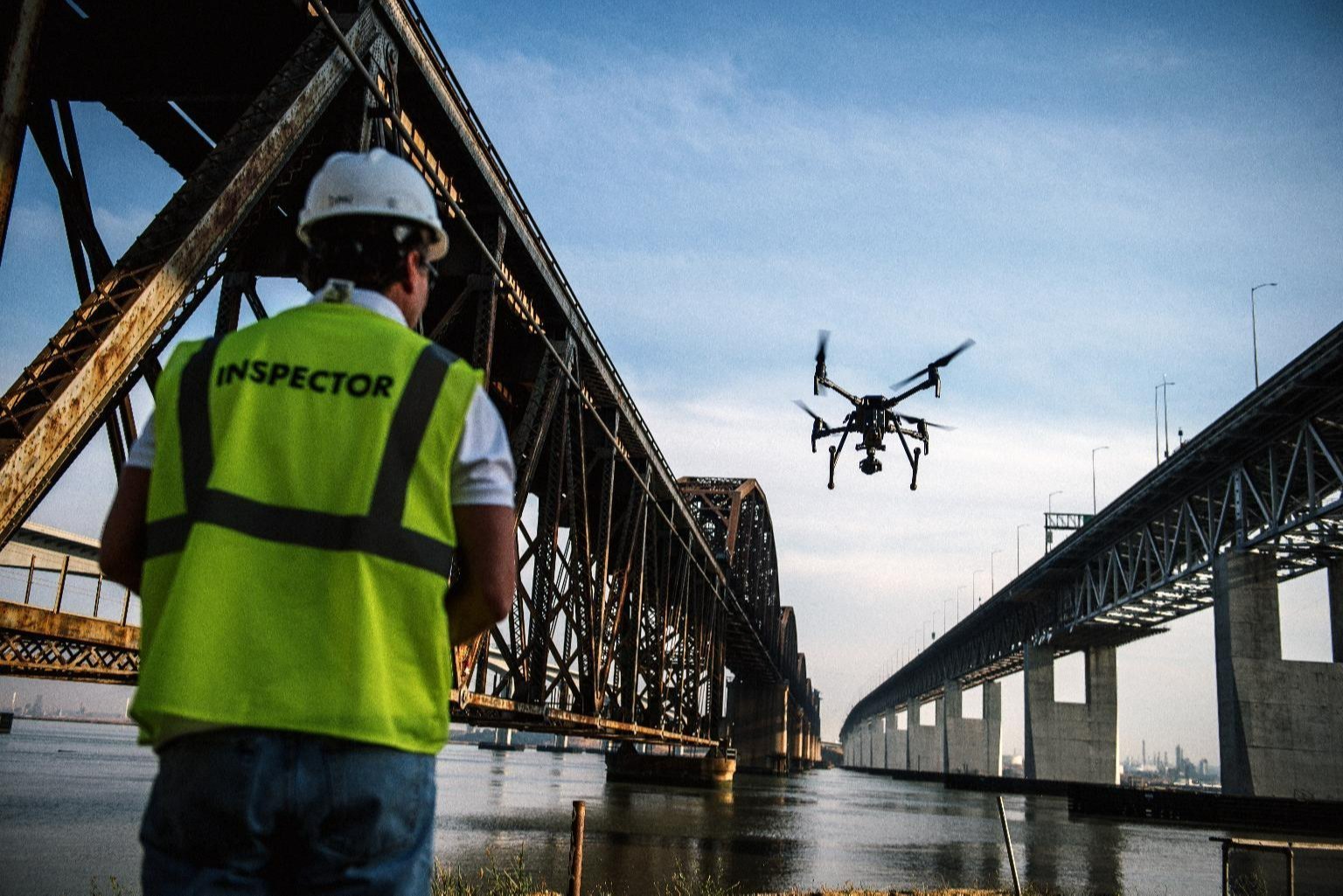
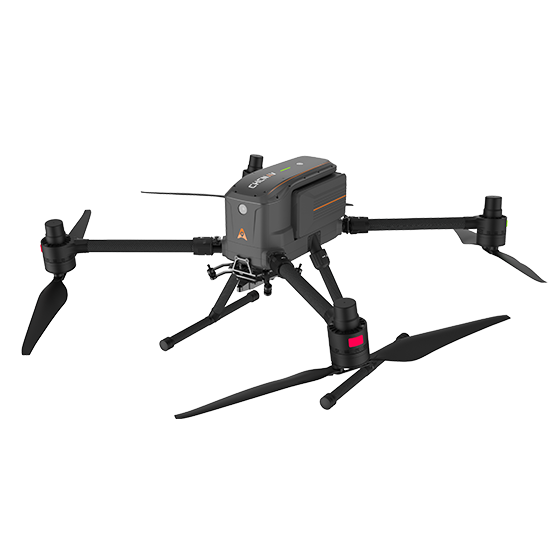
Bridge drone inspection
Crack Detection Spalling & Delamination Corrosion Mapping Girder Inspection Pier & Abutment Thermal Delamination 3D Bridge Model Crack Detection Spalling & Delamination Corrosion Mapping Girder Inspection Pier & Abutment Thermal Delamination 3D Bridge Model
Service Overview

Why Drone Inspection
for Bridges?

Traditional bridge inspection requires under-bridge inspection vehicles, rope access teams, or scaffolding — all of which are expensive, time-consuming, and require complete or partial lane closure. Our drone inspection eliminates all of these barriers, delivering close-up imagery of every surface — including undersides, girders, and piers — with no disruption to traffic and no risk to inspectors.

A bridge inspection that costs ₹8–15 lakhs with a conventional UBIV team and takes 3–5 days with lane closures can be completed by our drone in 4–8 hours at a fraction of the cost — with equal or better defect detection.

  • 2 mm crack detection at close-range inspection altitude
  • Full 360° inspection including underside, soffit, piers
  • Zero lane closure — no traffic disruption
  • Thermal imaging for delamination and moisture detection
  • 3D photogrammetric bridge model for deformation analysis
  • IRC SP-40, MoRTH, and NHAI inspection standard compliant
What We Detect

Bridge Defects We Identify

Our drone captures millimetre-resolution imagery of every surface — classified by defect type and severity for the inspection report.
Cracks (Flexural, Shear, Diagonal)

Hairline to wide cracks in deck slab, beams, piers, and abutments — width, length, and orientation mapped with GPS coordinates.

Spalling & Concrete Delamination

Surface layer separation and spalling of concrete cover — thermal imaging reveals subsurface delamination not visible to RGB cameras.

Rebar Corrosion & Staining

Rust staining patterns indicating rebar corrosion and carbonation — mapped across the entire bridge surface for maintenance prioritisation.

Efflorescence & Leaching

White mineral deposits indicating water seepage and leaching through construction joints, cracks, and poorly sealed surfaces.

Bearing & Expansion Joint Failures

Deteriorated elastomeric bearings, failed expansion joints, and blocked drainage outlets detected from close-range aerial inspection.

Scour at Piers & Abutments

Riverbed scour around bridge piers and abutment foundations — erosion extent mapped using drone imagery and bathymetric data.

Parapet & Railing Damage

Impact damage, missing sections, and structural weakening of parapets, crash barriers, and pedestrian railings along the bridge deck.

Girder & Soffit Deterioration

Pre-stressed girder cracking, soffit spalling, and web defects in the underside of the bridge superstructure — inaccessible without drone.

Bridge Types

Structures We Inspect

Road & Highway Bridges

National and state highway bridges — PSC girder, RCC box, arch, and cable-stayed bridges. Full inspection including deck, soffit, piers, bearings, and abutments.

NHAIMoRTH
Railway Bridges & Viaducts

Railway bridges, viaducts, and ROB structures — girder inspection, pier condition, bearing assessment, and superstructure monitoring for Indian Railways and metro authorities.

RailwaysMetro
Flyovers & Urban Overbridges

Urban flyovers, elevated corridors, ROBs, and foot overbridges — inspection in congested areas where conventional methods require complete traffic blockade.

FlyoverROB
River Bridges & Causeways

River-crossing bridges with scour inspection, pier condition assessment below waterline, and flood damage evaluation after monsoon events.

ScourFlood Damage
Cable-Stayed & Suspension Bridges

Cable inspection, pylon and tower condition, anchor block assessment, and deck inspection for cable-stayed and suspension bridge structures.

CablesPylon
Heritage & Old Bridges

Condition documentation of heritage and aging bridges for load capacity assessment, repair prioritisation, and structural rehabilitation planning.

HeritageRehab
How It Works

Inspection Process

Our bridge inspection process delivers complete structural condition data without disrupting traffic or endangering inspectors.
01
Bridge Data Review & Planning

We review bridge drawings, previous inspection reports, span lengths, and known problem areas to plan optimal drone flight paths for complete coverage of all structural elements.

02
Authority Permissions & Safety Setup

DGCA airspace clearance, NHAI/PWD NOC, and site safety protocol are established. Traffic management — if any — is minimal and limited to soft closures if needed for extreme close-up work.

03
Multi-Mode Drone Inspection

RGB at 2–5 cm GSD for crack detection, thermal for delamination, and 4K video for documentation. Drone systematically covers deck top, soffit, all piers, abutments, bearings, and expansion joints.

04
3D Bridge Model Generation

Photogrammetric processing creates a complete 3D model of the bridge structure — enabling deformation analysis, precise defect measurements, and future comparison surveys.

05
Defect Classification & Mapping

All defects are identified, classified by type and severity, measured, and GPS-tagged. A condition rating is assigned to each structural element as per IRC SP-40 guidelines.

06
IRC SP-40 Inspection Report

Full bridge inspection report with defect maps, 3D model, thermal analysis, element condition ratings, and prioritised maintenance recommendations — delivered within 48–72 hours.

What You Get

Inspection Deliverables

3D Bridge Model

Complete photogrammetric 3D model

Defect Map

GPS-tagged defect inventory map

Thermal Report

Delamination thermal analysis

Orthomosaic

High-res bridge deck ortho image

4K Inspection Video

Complete bridge inspection footage

IRC SP-40 Report

Standards-format inspection report

Technical Specs

Equipment & Accuracy

UAV: Multi-rotor with obstacle avoidance, GPS + manual
RGB Camera: 48MP + 4K video, optical zoom
Thermal: FLIR 640×512 for delamination mapping
Crack Detection: 2 mm at 3–5m inspection distance
GSD: 1–3 mm/pixel at close inspection range
Formats: PDF, OBJ, DXF, GeoTIFF, MP4, JPG
Standards: IRC SP-40, MoRTH, NHAI, IS 456 compliant
Frequently Asked

Bridge Inspection FAQs

Can drones inspect the underside (soffit) of bridges?
Yes — this is one of the biggest advantages. Our drones fly below the bridge deck, providing close-range imagery of the entire soffit, girder webs, cross-beams, and pier caps that are completely inaccessible without UBIV or scaffolding.
Do you need to close the bridge for inspection?
No. In most cases, bridge drone inspection proceeds with traffic moving normally beneath. For close-range soffit inspection under heavy traffic, a brief shoulder closure may be requested for safety — but complete lane closure is never required.
How small a crack can your drone detect?
At our standard close-range inspection distance of 3–5 metres, our 48MP camera achieves 1–3 mm/pixel resolution — reliably detecting cracks as fine as 2 mm in width, meeting IRC SP-40 visual inspection requirements.
Can thermal imaging detect hidden delamination?
Yes. Subsurface delamination creates a thermal boundary that shows as a distinct temperature differential in infrared imaging. This is far more reliable than tapping tests for detecting delamination under large surface areas.
How long does a bridge inspection take?
A standard 2-span road bridge takes 3–6 hours of flight and setup. A major 10+ span highway bridge or railway viaduct typically requires 1–2 days. Data processing and report delivery follows within 48–72 hours.
Start Your Inspection

Need a Bridge
Drone Inspection?

Share your bridge details — get a custom inspection quotation within 24 hours. No scaffolding, no lane closures.